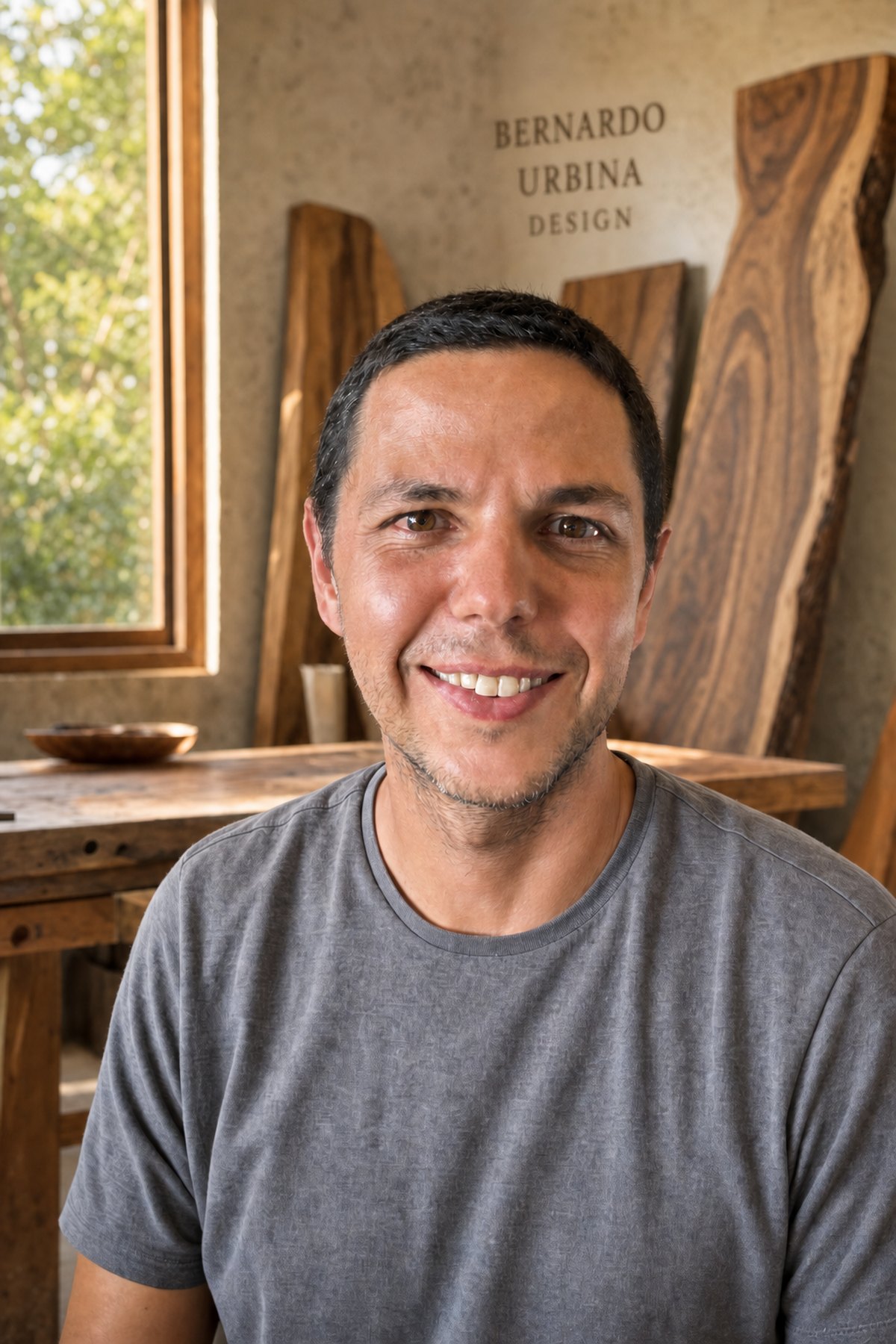
Bernardo Urbina Design

Who I am

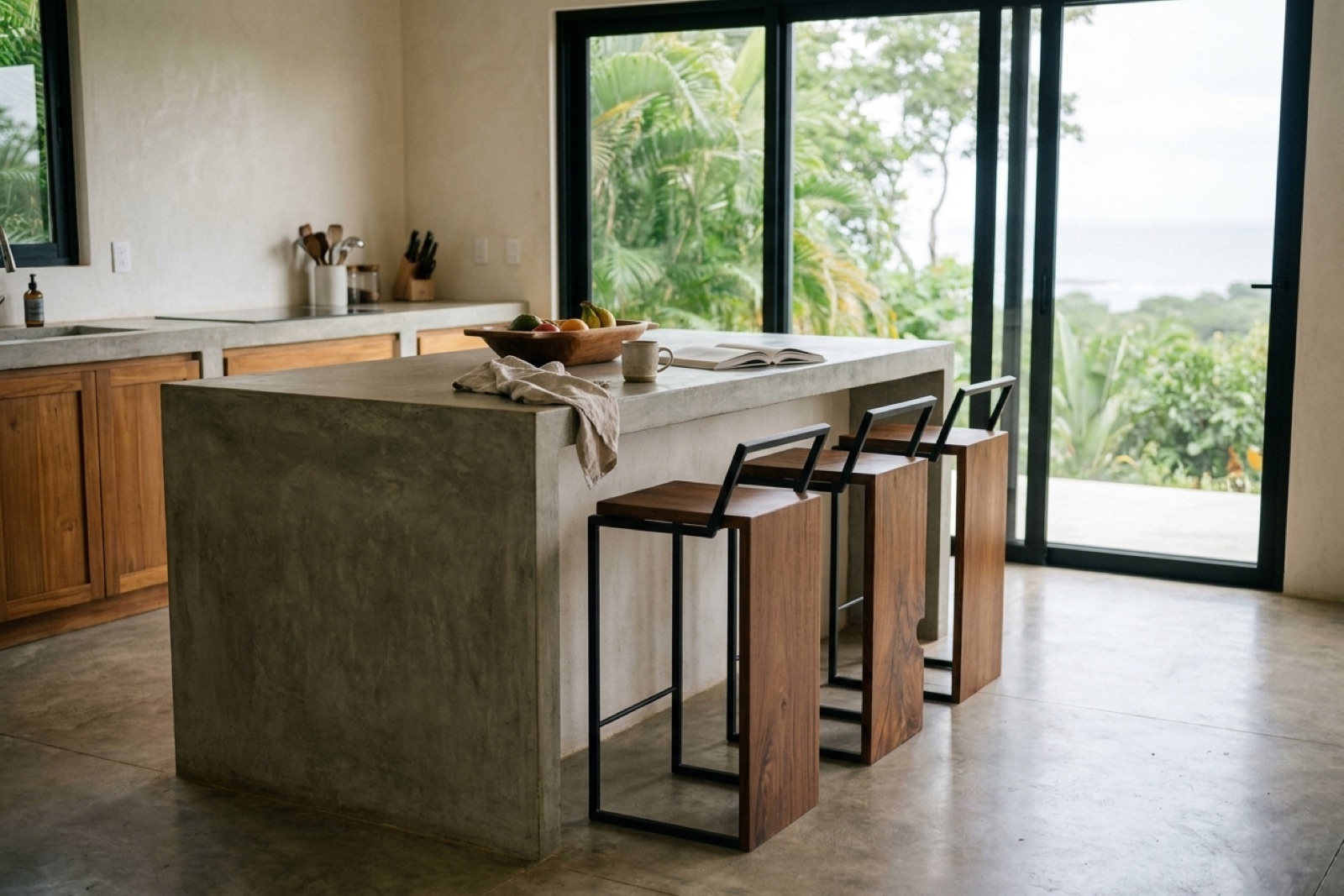
Bernardo Urbina is a Costa Rican furniture designer whose work sits at the intersection of sculpture, material exploration, and functional design. Working primarily with wood—often combined with glass and metal—his pieces are defined by bold forms, refined detailing, and a deep respect for the natural character of each material.

Bernardo’s design journey began at the Pratt Institute in New York City, where he studied Industrial Design from 2007 to 2011. His time at Pratt established a strong foundation in design thinking, fabrication, and formal experimentation. Seeking to further connect design with architectural space, he later completed a Master’s degree in Industrial Design for Architecture at Politecnico di Milano, gaining a deeper understanding of scale, context, and the relationship between objects and the spaces they inhabit.

His creative philosophy is rooted in the belief that furniture should be both expressive and practical. By combining the warmth and texture of tropical hardwoods with the precision of glass and metal, Bernardo creates pieces that balance sculptural presence with everyday usability. Each design is guided by the grain, movement, and inherent qualities of the material, resulting in work that feels intentional, grounded, and one of a kind.

Inspired by Costa Rica’s landscapes, culture, and woodworking traditions, Bernardo places strong emphasis on sustainability and ethical sourcing. He works with locally sourced materials whenever possible and embraces slow, hands-on craftsmanship to ensure longevity and authenticity in every piece.

His work has been featured in The New York Times, exhibited internationally, and discussed on industry podcasts. Bernardo has also been invited as a guest speaker abroad, where he shares insights on sustainable wood design, artisan craft processes, and the creative thinking behind sculptural furniture. Today, he leads a boutique woodshop in Costa Rica, producing functional art pieces for clients who value originality, craftsmanship, and meaningful design.